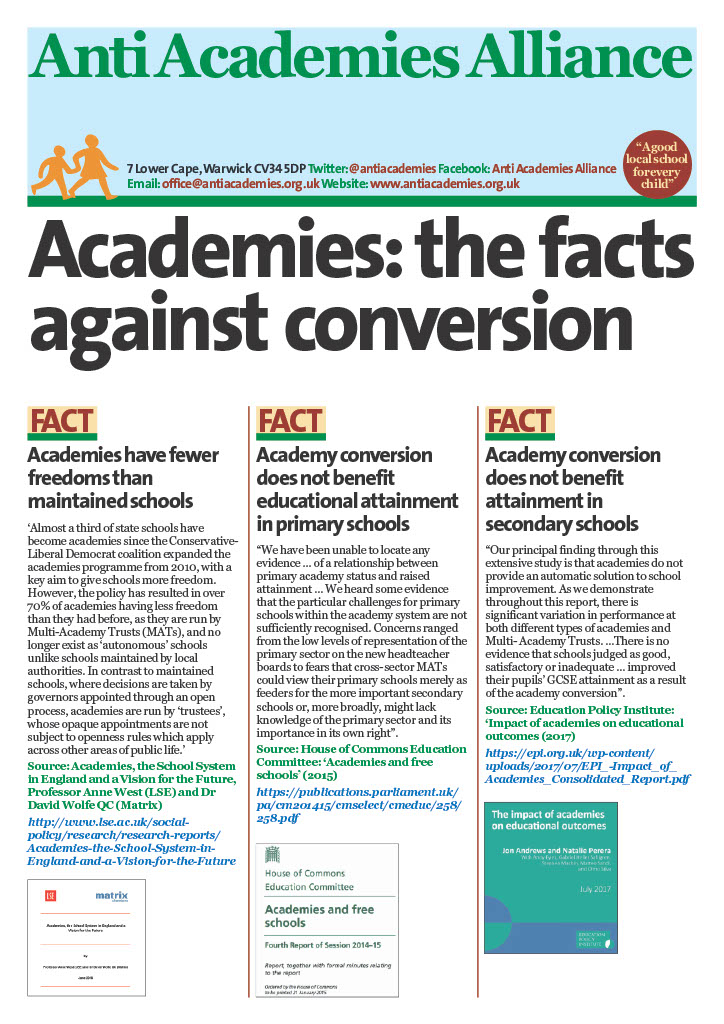
Has academisation worked, then? As a policy it was designed to offer schools freedom – to choose what they teach, how they spend their budgets, and who they employ – and to varying degrees this has been achieved.
But in doing so, politicians made the damaging assumption that these freedoms would be created from nothing – that they did not already belong to someone else.
As academy trusts were given the freedom to spend and appoint as they saw fit, the people for whom schools are most important lost the freedom to know about the people running their schools, to question them, and to have a voice in the decisions that affect them at the most important time in their lives.
Education union criticises ‘badly flawed’ evidence behind academy drive
The government has said it wants all schools to either have become academies or be in the process of joining a multi-academy trust (MAT) by 2030, to “help transform underperforming schools and deliver the best possible outcomes for children”. The NEU said, however, there was no evidence to support the government’s claims. On the contrary, it said its own analysis of Ofsted judgments indicated that schools that join MATs are less likely to improve and more likely to fall back. According to the union’s research, local authority-maintained primary schools previously judged outstanding by Ofsted are more likely to retain that rating when re-inspected than other types of schools – 30% compared with just 7% of primaries in Mats. Full story here.
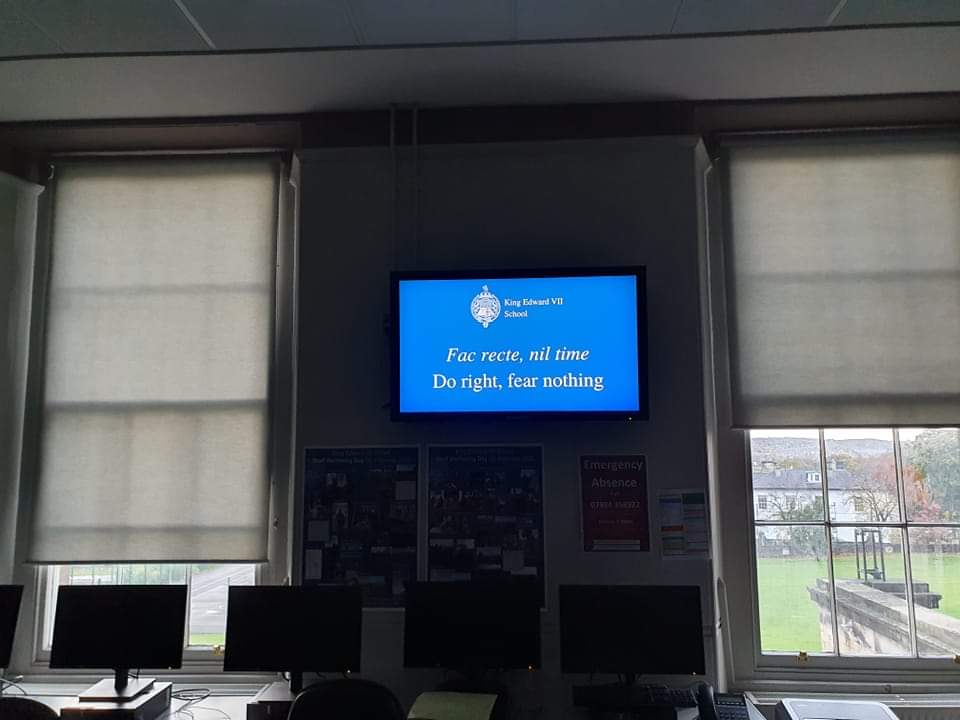
 Stop the academisation of King Edward VII School